
Application support
Someone has to keep your software running after launch
Application maintenance and support, monitoring and technical direction for the systems your business depends on.
The breaking point
When the project ends and no one owns the system
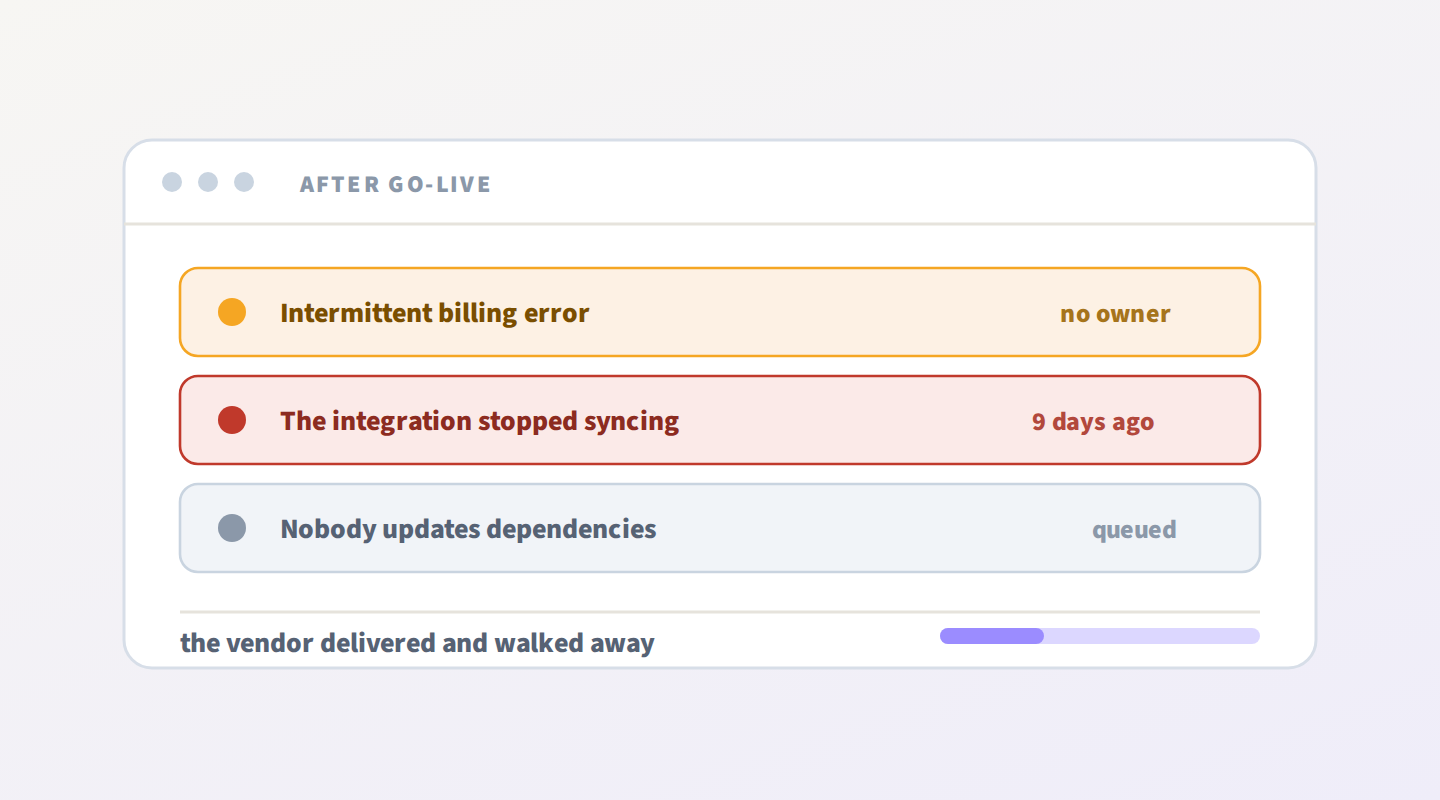
The vendor delivered, invoiced and moved on. The first months are fine. Then comes the first error nobody knows how to fix, the first integration that breaks, the first improvement that "wasn't in scope".
That's when a system starts aging: the team stops trusting it, spreadsheets come back, and the investment turns into an asset nobody wants to touch.
The error nobody knows how to fix
With no one who knows the code from the inside, every incident becomes a chain of emails.
The integration that breaks
What connected two systems stops working, and nobody notices until it hurts.
The improvement that wasn't in scope
The system freezes on delivery day while the business keeps changing.
What we cover
What our application support covers
Corrective and adaptive maintenance
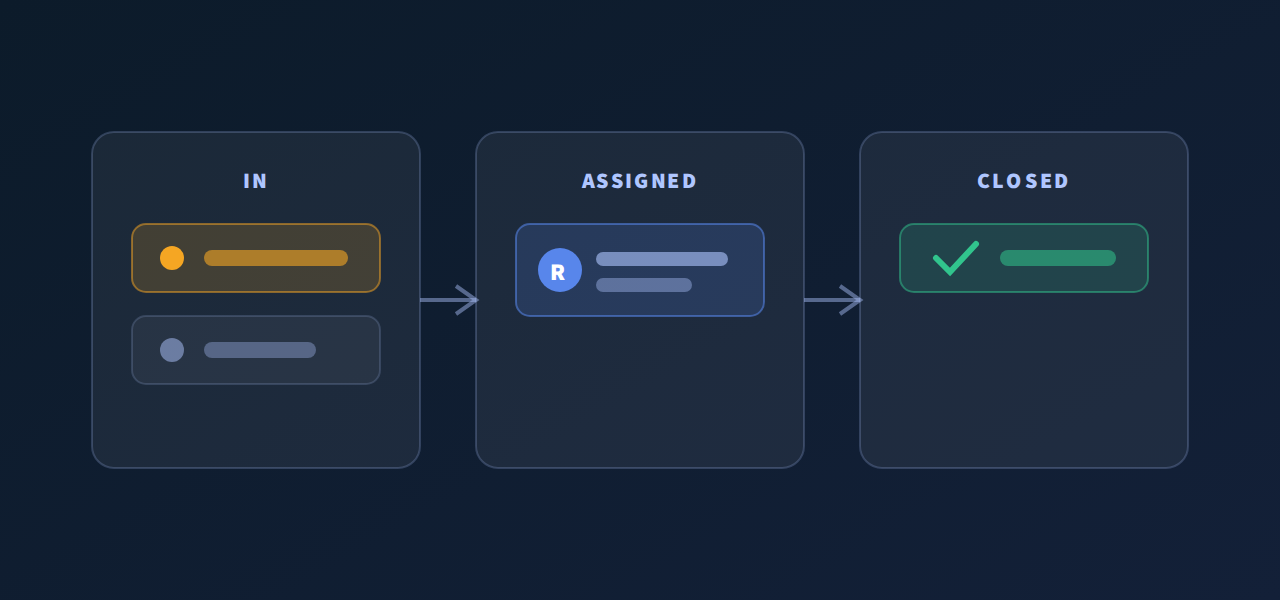
Fixing what fails and adapting the system when its environment changes — new versions, new integrations, new requirements. The server it runs on is ours too: see what our managed IT services cover.
Perfective maintenance
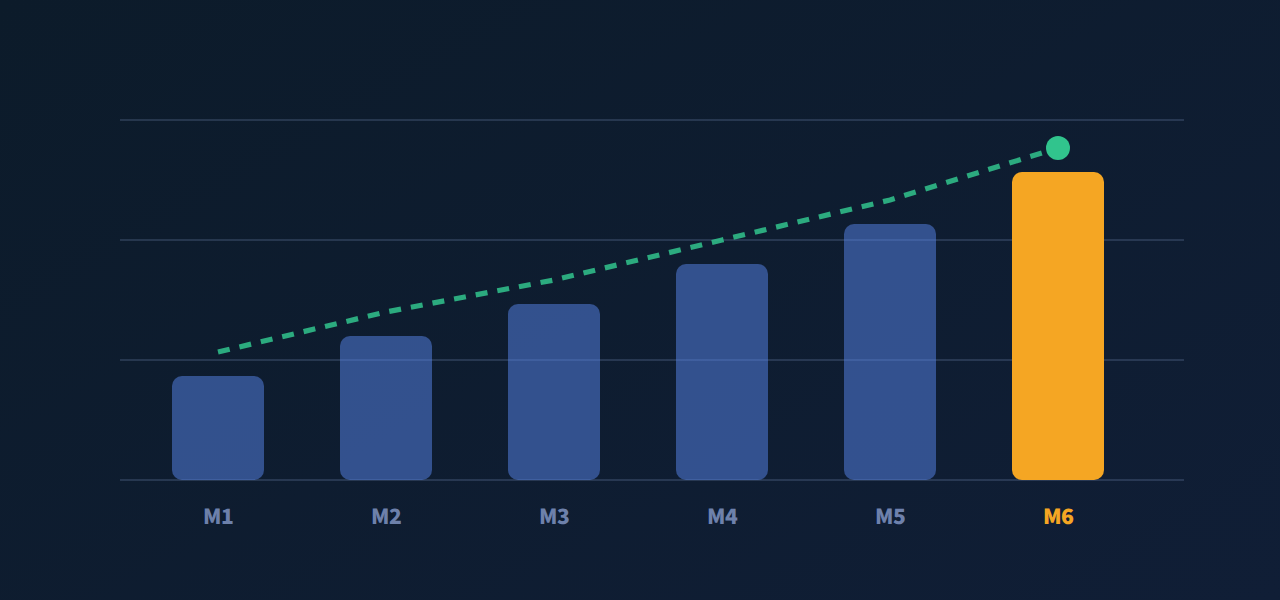
Improving what already works: performance, usability and the small changes that make people actually use the system.
Monitoring and availability
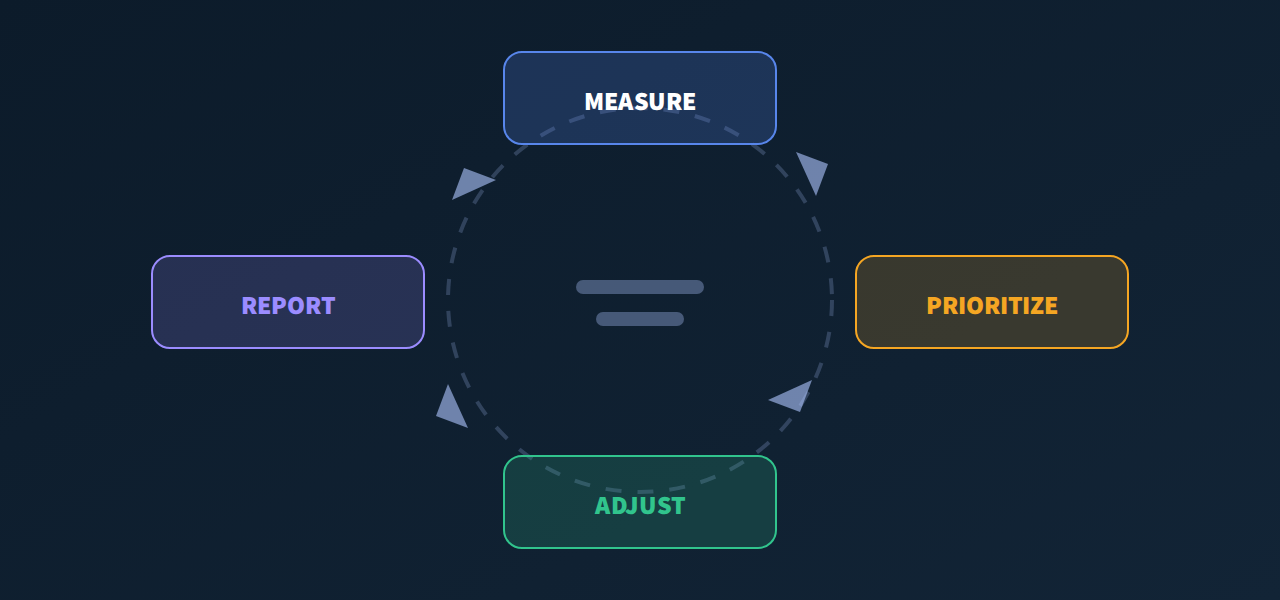
Watching the system so problems surface before your users report them.
After launch
Who is responsible after launch
This is the conversation most projects skip, and it's the one that hurts later.
Model 1
Warranty
Defects attributable to the original build are corrected under warranty.
See detailWarranty
- Scope and duration agreed in writing
- Agreed before development starts
- Not negotiated after something breaks
Model 2
Retainer
Ongoing support and improvements live in a monthly agreement.
See detailRetainer
- Monthly agreement with an agreed scope
- Support and improvements included
- You're not quoting every request
Model 3
How work is prioritized
One entry channel, one assigned owner, and priorities agreed with you.
See detailHow work is prioritized
- What gets attended first
- What can wait, and how you're informed
- Response commitments written into the proposal
Specific response commitments are agreed against your operation and written into the proposal — we'd rather commit to what we can sustain than publish a generic promise.
Evidence
Systems we operate today
PMS Core
Our own management and operations system, running real projects and follow-up.
Our AI-assisted support desk
Tickets, replies, due dates and pending items handled with an AI agent in the loop. It's how we run support, not a demo.
Technical direction
Fractional CTO when you don't need a full-time one
Many companies don't need a full-time technology executive. They need someone with judgment to decide what to build, what to integrate, what to leave alone and in what order to invest.
That includes architecture review, roadmap prioritization, vendor evaluation and the technical decisions that are expensive to reverse.
The difference
Beyond managed IT: we support the software we build
Managed IT
Managed IT providers keep your infrastructure alive: networks, devices, servers, licenses. That's a different job from keeping your applications alive.
Application support
We support the software layer — the systems your business logic runs on — and we know it from the inside because in most cases we built it. This is how we handle software maintenance and evolution, continuous deployment, AI agents inside your operation and fractional technical leadership.
When we didn't, the first month is discovery: understanding the code, the data and the integrations before committing to anything.
Free assessment
Tell us what you have running
If you already have systems in production and it feels like nobody is looking after them, start there. In the assessment we review what you have, what state it's in and what needs attention first.
Frequently asked questions
What clients ask before we operate
Can you support a system your team did not build?
Yes. The first month is discovery: we get to know the code, the data and the integrations before committing to any response times.
What is the difference between support and maintenance?
Support fixes what breaks today. Maintenance keeps the system useful tomorrow: it adapts it, improves it and gets it ready for what is coming.